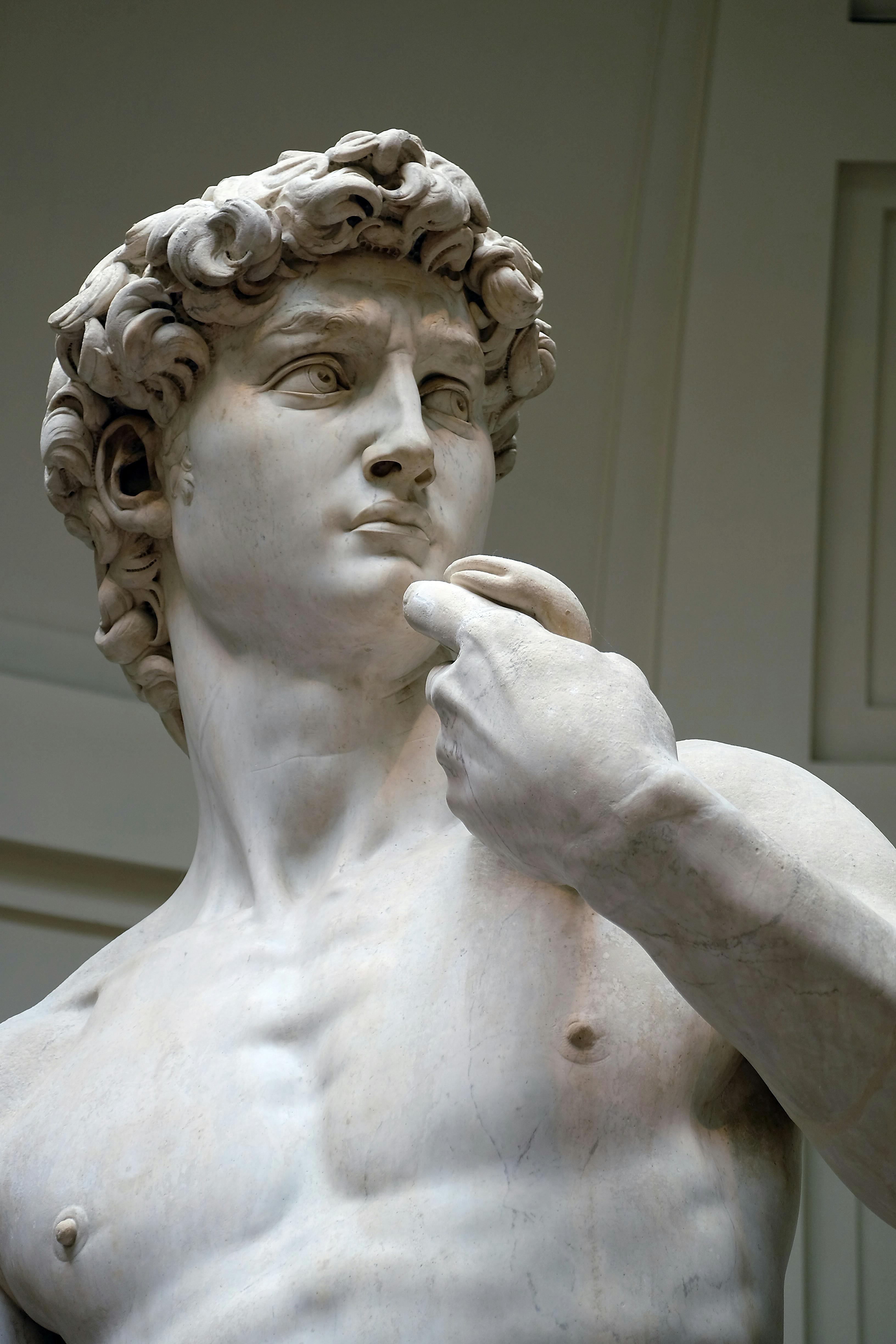
David defeated Goliath.
He spared King Saul’s life when he had the chance to take it.
He was a man said to be great in the art of war, and in crafting worship songs.
He ruled his Kingdom as a King and surrendered to God.
Upon his legacy would come a messiah who is said to rule like him.
It is said that he was a man after God’s own heart.
And yet, how the mighty have fallen.
Looking from the placement of his authority, he saw Bathsheba bathing on the roof, as recorded in 2 Samuel 11. He had his men bring her to him, and after he had gotten her pregnant, he had her husband killed by placing him in harms way on the battlefield.
A man who claimed to follow God, who wrote beautiful songs to sing to God, had become a villain; he had become like the man whom he spared the life of before…he sought to kill another man because of his own mistakes and pride, he became like King Saul…and he used his position of power to treat Bathsheba like someone to be used and discarded.
How could this have happened?

On Palm Sunday, every year, we wave palm branches and sing, say, and shout “Hallelujah!” as we remember the scene when Jesus rode into Jerusalem in his final week.
But in that week for that crowd that lined the road, and in our own year since that Palm Sunday, some began to realize that Jesus is not who we may have thought that he was…
Maybe we wanted a Jesus who would take all of our enemies away from us
Maybe we wanted a Jesus who would tell us we’re doing a great job, no matter what
Maybe we wanted a Jesus who gave us comfort, but not direction
Maybe we wanted a Jesus who would leave the darkness that he found in our hearts alone.
Suddenly those palm branches that we had waved in Joy have been left on a shelf, like those in the scriptures had likely left them in the road.
It’s easy to forget our praise-filled hallelujah when we meet either struggle, success, or busyness.
When we face the struggle of hardship, we turn to God for help, but can become disappointed when God does not respond how we would like him to respond.
When we are confronted with our struggle against sin, it is easy to either abandon the call of Christ to overcome temptation, or to allow our sin to have the power to condemn us; drawing us away from God.
When we have had moments of great success in our lives, it is easy to forget the God who was with us in our low moments, and we may begin to not see a need to seek God’s guidance on our lives. We may begin to see ourselves as important, and God, religion, and faith, as not as important.
Or sometimes, we just get busy. It’s not that we don’t want to spend time with god, it’s just that we’ve been distracted and exhausted, and like that friend that we’ve been meaning to spend time with, we need to put something on the calendar, or it won’t happen anytime soon.
David did not see the problem in what he had done; at least not the weight of it. It took the prophet Nathan telling him a falsified story about one of his subjects to get David riled up about an offense that he himself had done, but had convinced himself was okay.
When it all finally clicked, it is said that he wrote Psalm 51 as a response.
This psalm, unlike the glorious and happy songs he had already written, is strikingly honest about the feeling of acknowledging that we are in need of God, especially at our lowest moments, when we just want God to look away from what we have done, to look away from the path that we had abandoned.
But it is also a song of hope; hope found in longing for God to take our mess, and to make us clean. To take our brokenness, and draw us close to mend us. Because no matter how many church services we go to, or no matter how much money we put in the offering plate, what God desires most…is our heart that acknowledges that we need God.
Because even when the best of our intentions fail, when life gets in the way, and when the praises in our heart have felt abandoned, and when our life seems to be reduced to ash, though we waved the palms of hallelujah before… There remains the hope of God.
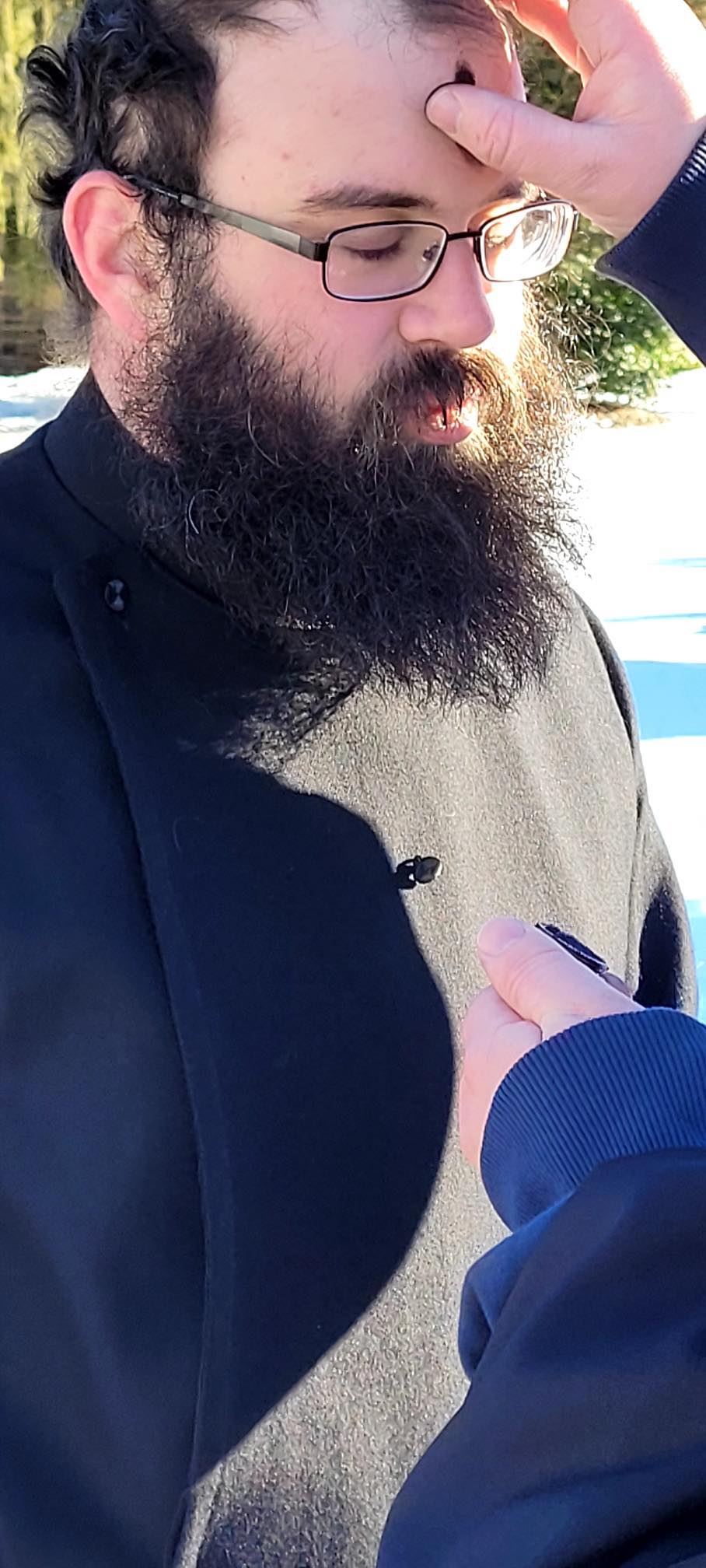
The message of Ash Wednesday is striking: One day, we will all die. One day, you will die.
“Remember you are but dust, and to dust, you shall return”.
But the dust or the grave is not all there is for us after this life is over.
All who follow Christ are marked to inherit the Kingdom of Heaven; where life will be fuller and richer than this life that we live now.
That’s why the ashes that mark the foreheads of those you may see today, or those upon you, are in the shape of the cross; Because through the cross of Christ, we have hope in Death, because of the power of the Resurrection.
May we use this day as a reminder to draw closer to the God who walks alongside of us, who calls us to leave the allure of power, pride, lust, greed, and other sins, and to dedicate or re-dedicate our lives to the following of the Way of Jesus Christ.
We are but dust, and to dust, we shall return.
Amen.
 Lamb Theology